K-beauty’s second golden age, dominating global offline retail channels
Offline Shelf Share as a Measure of Brand Power
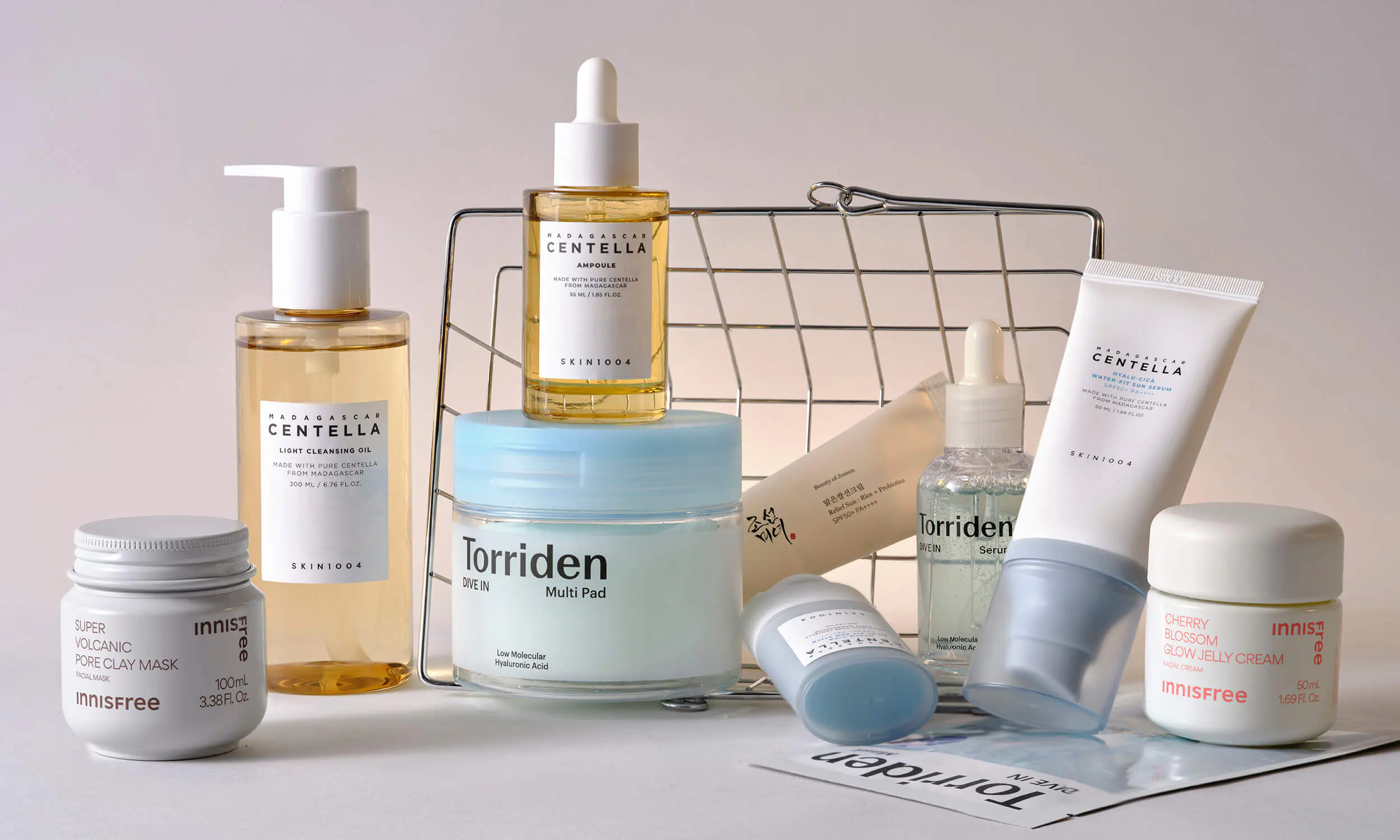
In 2026, K-beauty has moved beyond success on online platforms and entered a new phase by meaningfully dominating key offline distribution channels in North America and Europe. In the past, Korean cosmetics’ overseas expansion was mainly limited to online testing through Amazon or local reverse-direct-purchase malls, but now securing prime shelf space at major beauty retailers such as Ulta in the U.S., Sephora, and Boots in the U.K. has become essential. This is because offline touchpoints, where consumers can directly experience products and build trust, determine a brand’s sustainability. In particular, more indie brands are being launched with strong support from local major distributors, which suggests that Korean products are being recognized not only for quality beyond global standards but also as trendsetters.
Digital-Native Brands’ Offline 'Physical' Push
Beyond simple placement, the strategic operation of 'pop-up stores' and 'flagship stores' that allow consumers to experience a brand’s philosophy is also drawing attention. Brands that have gained explosive reactions on social media are establishing offline bases in New York’s SoHo or London’s Covent Garden, creating a virtuous cycle that converts online buzz into offline sales. This trend has played a decisive role in reducing dependence on the Chinese market and reshaping business toward mainstream Western markets. The refinement of business models that reduce distribution layers and increase margins through direct contracts with local distributors is becoming a powerful engine enabling K-beauty in 2026 to enjoy long-term success in the global market.
Source: Hankyung Magazine 2026 Industry Outlook, COSIN Korea Global Trend Report