The evolution of hyper-personalized, custom beauty solutions designed with AI data
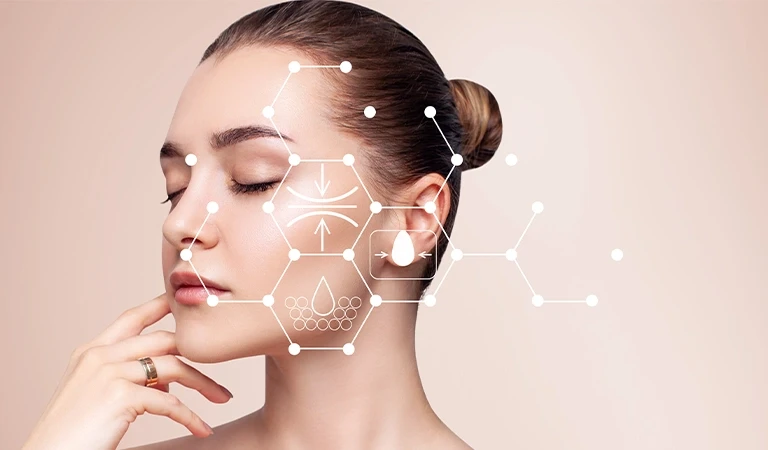
Intelligent skincare where Skin GPT meets genetic data
Thanks to the leap forward in beauty tech, cosmetics are no longer something you 'buy' but something you 'design.' The 'hyper-personalization' that emerged in 2026 goes beyond simple skin type classification and is based on algorithms that combine genetic data, microbiome analysis, and real-time weather data. Generative AI models such as 'Skin GPT' monitor changes in the user's skin in real time and adjust the ratio of nutrients needed today down to 0.1 mg units. These technologies have driven the popularization of home-care devices that can instantly formulate serums optimized for that day's skin condition simply by having the user stand in front of the mirror each morning. Data has become as important a business asset as the raw materials in cosmetics.
Predictable aging management and digital twin beauty
AI is used not only to improve the current state, but also to predict future skin conditions. By introducing 'Digital Twin' technology into skin care, it gives consumers a clear motivation to purchase by simulating how their face will change after using a certain cosmetic product for six months. These data-driven solutions have increased brand trust and dramatically reduced return rates. From a corporate perspective, accumulating customers' skin data provides accurate guidelines for developing next-generation products, which directly leads to greater R&D cost efficiency. In the end, the beauty business of 2026 has turned into a battle over who can secure the more sophisticated 'skin data.'
Source: Seoul Economic Daily/Newsis CES 2026 beauty tech special coverage, Amore Bespoke Lab analysis